
Sunny Isles Beach Earns Technology Excellence Award: What It Recognizes |
The city’s 2026 FLGISA honor recognizes a Drone as First Responder program tied to police dispatch. Here is what the award confirms, how the program is designed to work, and the questions residents can still ask. |
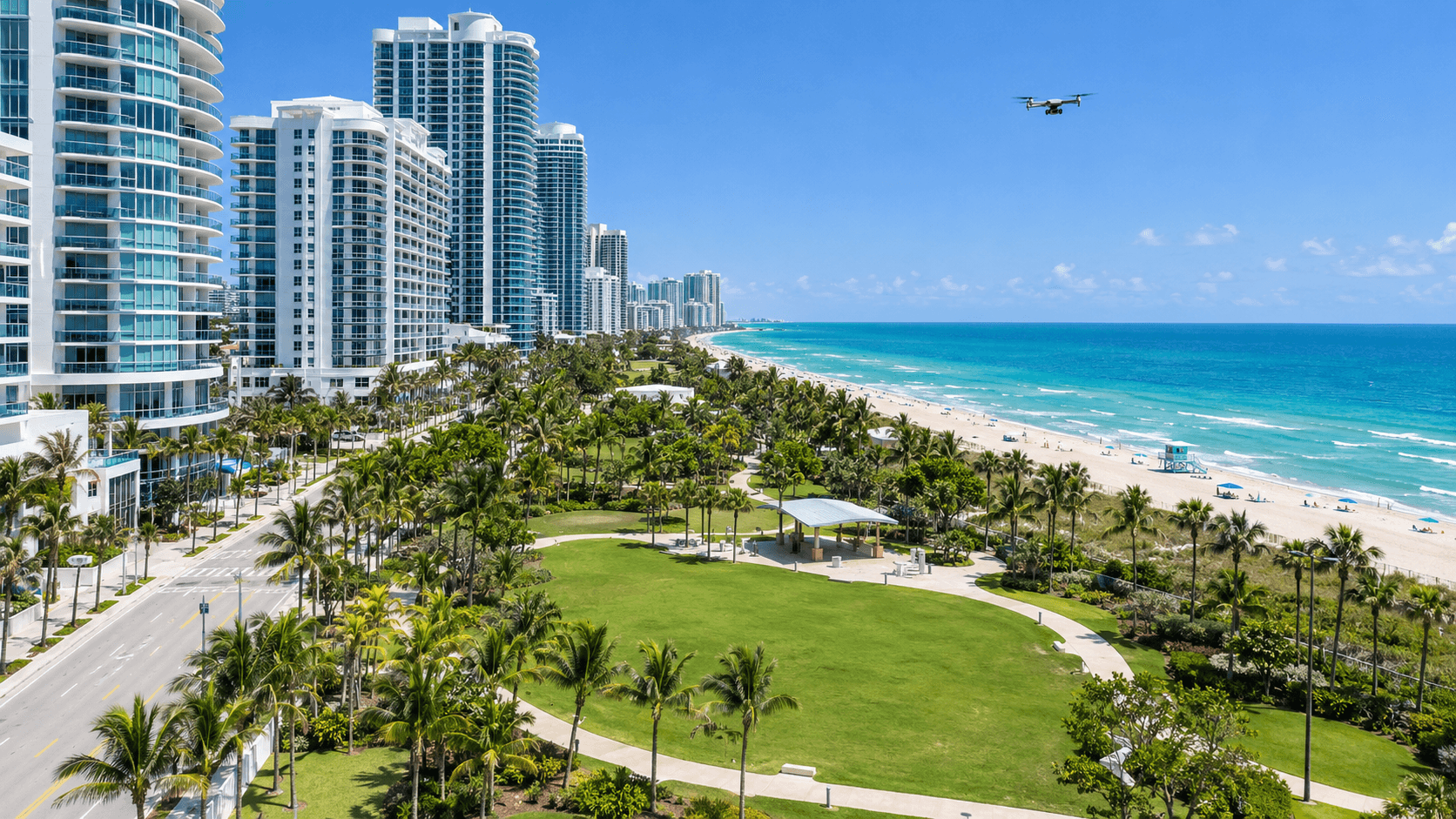
Sunny Isles Beach earned a statewide technology award for a public-safety program most residents will never need, until a fast-moving emergency makes minutes matter. The city received the 2026 FLGISA Technology Excellence Award for its Drone as First Responder, or DFR, program.
The recognition is about technology connected to dispatch, not a new citywide service residents must sign up for. Still, it offers a useful look at how the city says it is trying to give officers information faster while keeping people out of unnecessary risk.
The award recognizes the program’s innovation; it is not a guarantee about the outcome of any particular call. For updates, follow the city’s Police Department news page.
At a Glance
|
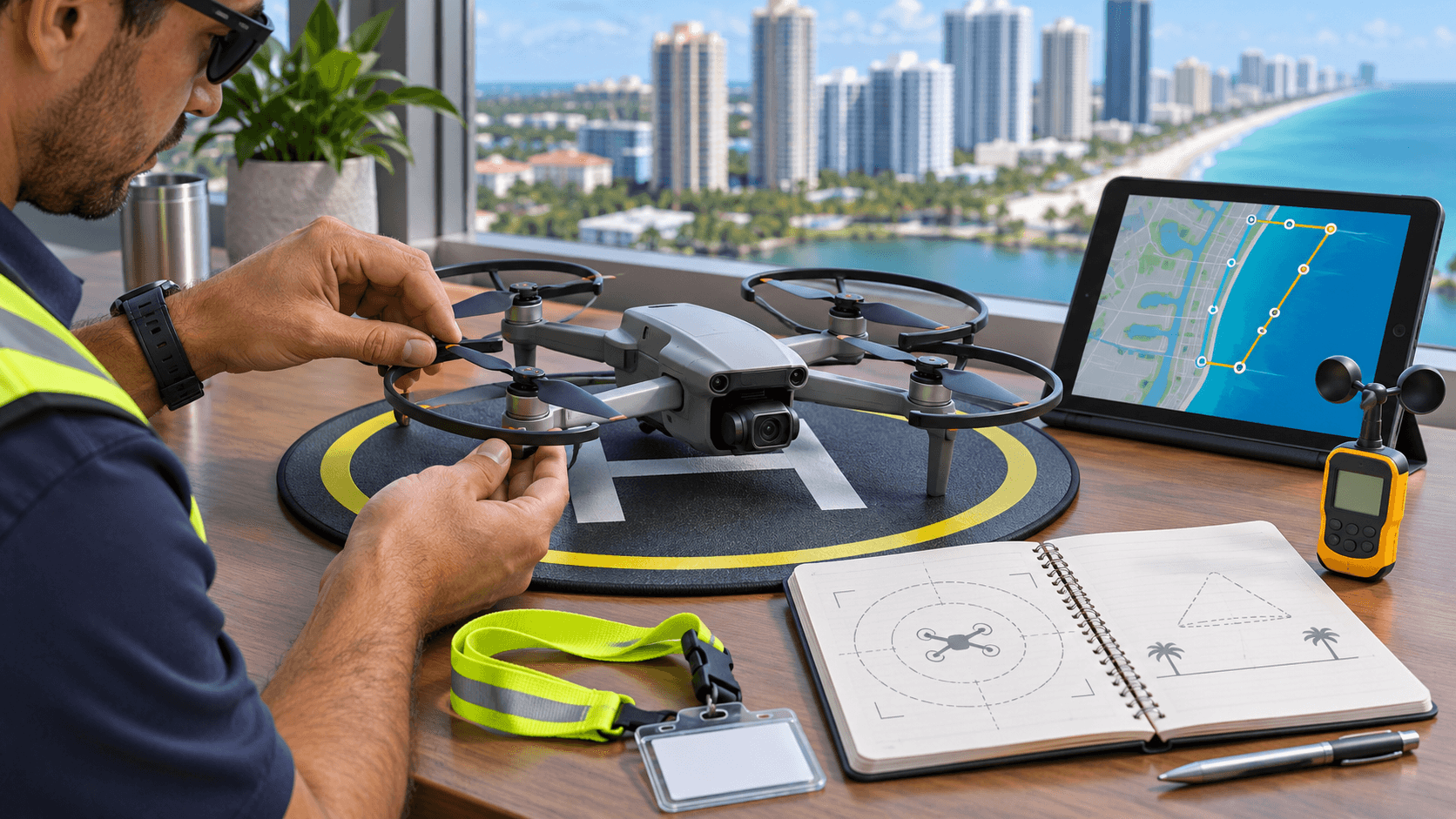 AI generated photo for Sunny Isles Current. |
What the award actually recognizes
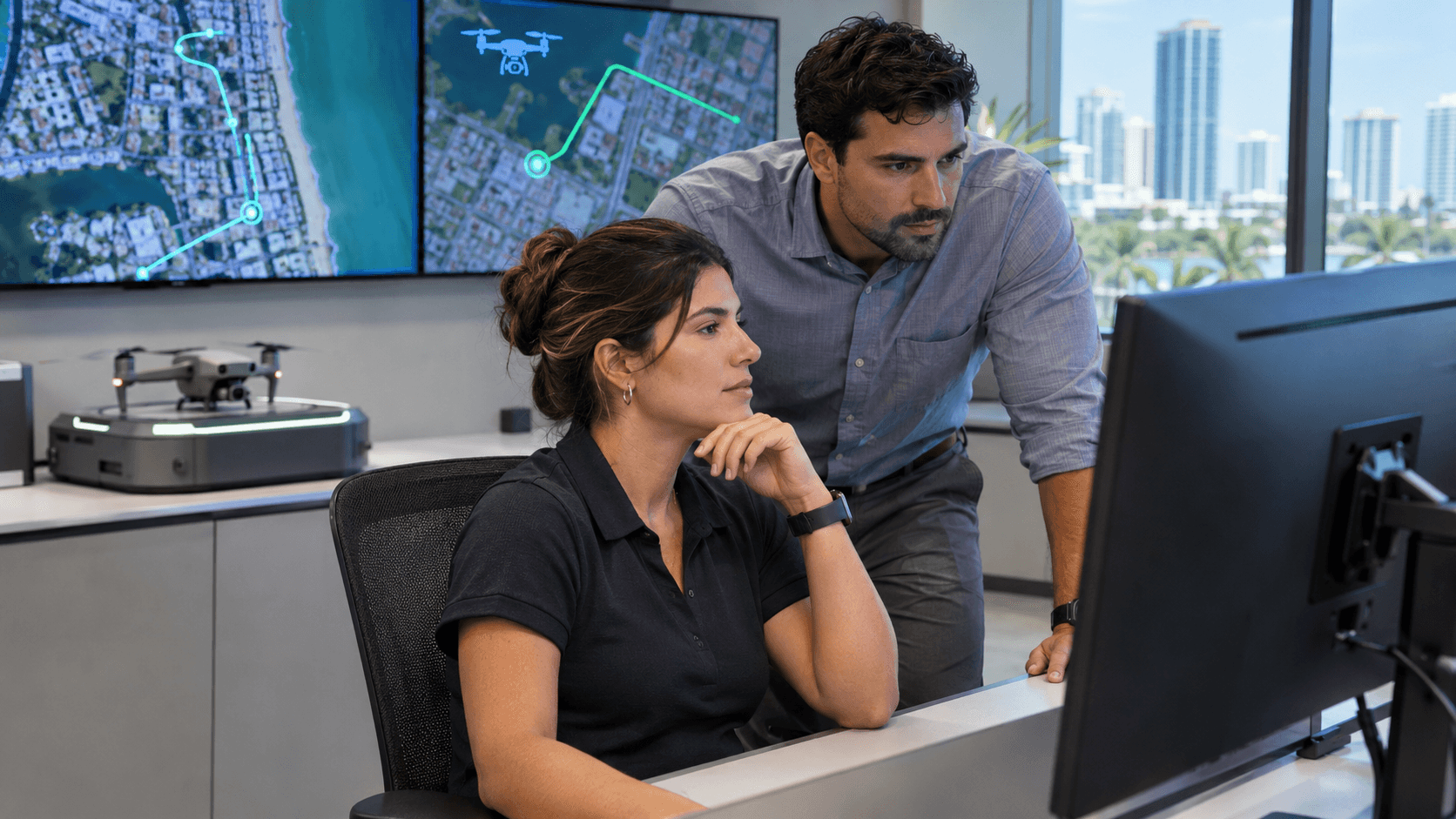
FLGISA recognized the city for the innovative use of technology to serve the public. In the city’s account, the key feature is the connection between an autonomous drone platform and the dispatch system that helps coordinate calls.
The city says that combination is intended to deploy drones more quickly and reliably for public-safety response. The award announcement credits a cross-department effort rather than presenting the drone as a stand-alone solution.
That distinction matters for residents. An award tells us the program’s design and collaboration were recognized by a professional local-government technology association. It does not, by itself, measure response times, prove results in every scenario, or change when someone should call for help.
Sunny Isles Beach previously described its DFR program as Florida’s first fully operational, non-beta program of this kind. The city’s program announcement says it uses Skydio X10 drones and deployment docks to support emergency response and real-time situational awareness. |
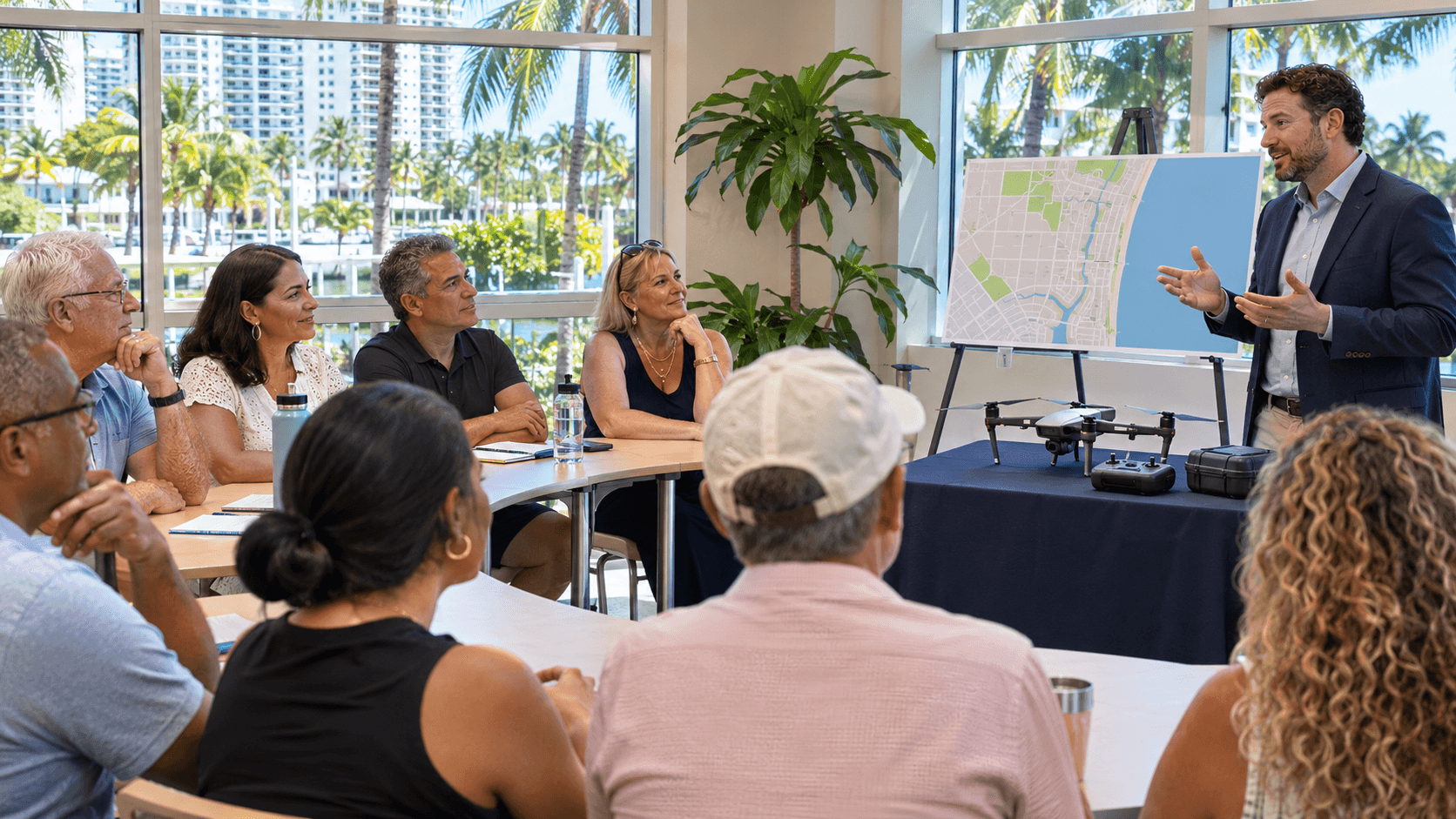 AI generated photo for Sunny Isles Current. |
How the DFR program is designed to help
According to the city’s original DFR release, the drones may support searches for missing people, response to reports involving fleeing suspects or stolen vehicles, traffic and crowd monitoring, and medical-emergency response. The point is to give responding officers a live view before or while they arrive.
The same release says the aircraft can launch quickly, transmit live aerial footage to officers, and use thermal and infrared imaging in low visibility. Those are capabilities described by the city, not a promise that a drone will be available or appropriate for every call.
For residents, the basic emergency decision stays the same: call 911 when there is an emergency. A drone is an operational tool for responders, not a replacement for reporting an emergency, following dispatcher directions, or waiting safely for police, fire, or medical help.
Questions worth following
Residents who want more than the headline can look for practical updates: where and when the program is used, how the city handles privacy and policy questions, how it coordinates with other public-safety resources, and what performance information the city chooses to share.
Useful official starting points include the city’s Police news page, Sunny News archive, and Commission meetings, agendas, and minutes. A clear question tied to one of those records is more useful than guessing from a social-media post. |
 AI generated photo for Sunny Isles Current. |
What this means for everyday life
Most neighbors will not experience the program directly, and that is the point. The system is designed for responders handling specific situations, not for routine resident interaction or general surveillance of daily life.
The practical benefit the city is pursuing is better information during time-sensitive calls. Aerial awareness can help officers assess a scene, route resources, and reduce exposure to hazards; it cannot settle every safety concern or remove the need for skilled human judgment.
For families, condominium associations, and local businesses, the appropriate action is straightforward: keep emergency contacts current, know the difference between emergency and non-emergency calls, and use the city’s official channels when a public-safety question arises. The SIBPD page lists department resources, while the city’s contact directory can help route non-police questions.
The Bottom Line
Sunny Isles Beach’s technology award recognizes a specific DFR program and the collaboration behind it, not a blanket claim that technology solves every public-safety challenge. Residents can take the recognition as a reason to follow the program’s official updates, ask precise questions about policy and results, and continue using 911 or the proper city channel when help is needed. |
1 Comment
Join the conversation
Getting a drone to a call before officers arrive could help them know what they are walking into. Glad Sunny Isles got recognized for that.